If your doctor has told you to lose weight and lower your cholesterol, you may feel you have been given two assignments and very little guidance about how to accomplish either.
Eat less food. Eat better food. Eat more good food. But lose weight. Ugh, how?
So what should you actually put on your plate? And how do you eat less without spending the afternoon hungry?
A useful weight-loss diet for high cholesterol needs to address both concerns: the foods that support healthier cholesterol levels and provide more satisfaction to make an eating plan easier to maintain. Fiber-rich foods can help with both.
Eat less food. Eat better food. Eat more good food. But lose weight. Ugh, how?
That is one reason fiber plays such a central role in iDiet. A variety of fiber sources is built into the eating plan, alongside protein, generous portions of low-calorie vegetables, and planned amounts of food that support weight loss and keep you full. The goal is to make everyday meals satisfying while supporting weight management.
To understand the cholesterol connection, it helps to follow what happens between your liver and your digestive tract.
Your liver plays a major role in regulating cholesterol levels. It makes cholesterol, removes LDL particles from the bloodstream, and helps the body dispose of cholesterol through bile.
One route involves turning cholesterol into bile acids. These are components of bile, which enters the upper part of your small intestine and helps you digest and absorb fats.
After doing their job, most bile acids are reabsorbed farther along the small intestine and returned to the liver. Your body normally reuses them.
Certain gel-forming soluble fibers interfere with that recycling. They make it harder for some bile acids to be reabsorbed, allowing more to continue through the digestive tract and leave in your stool (poop).
Your liver then uses the cholesterol to make replacement bile acids. As the liver replenishes its cholesterol supply, it can remove more LDL cholesterol from the blood.
Fiber helps increase the amount leaving the body, rather than returning to circulation.
This is an established mechanism behind the LDL-lowering effects of certain soluble fibers. In a controlled human feeding study, foods rich in soluble fiber lowered cholesterol and increased bile-acid losses compared with foods rich in insoluble fiber.[1]
Dietary fiber is the part of plant foods that your own digestive enzymes cannot fully break down. Different fibers behave differently in the digestive tract.
The terms soluble and insoluble describe how they interact with water.
Insoluble Fiber
Soluble Fiber
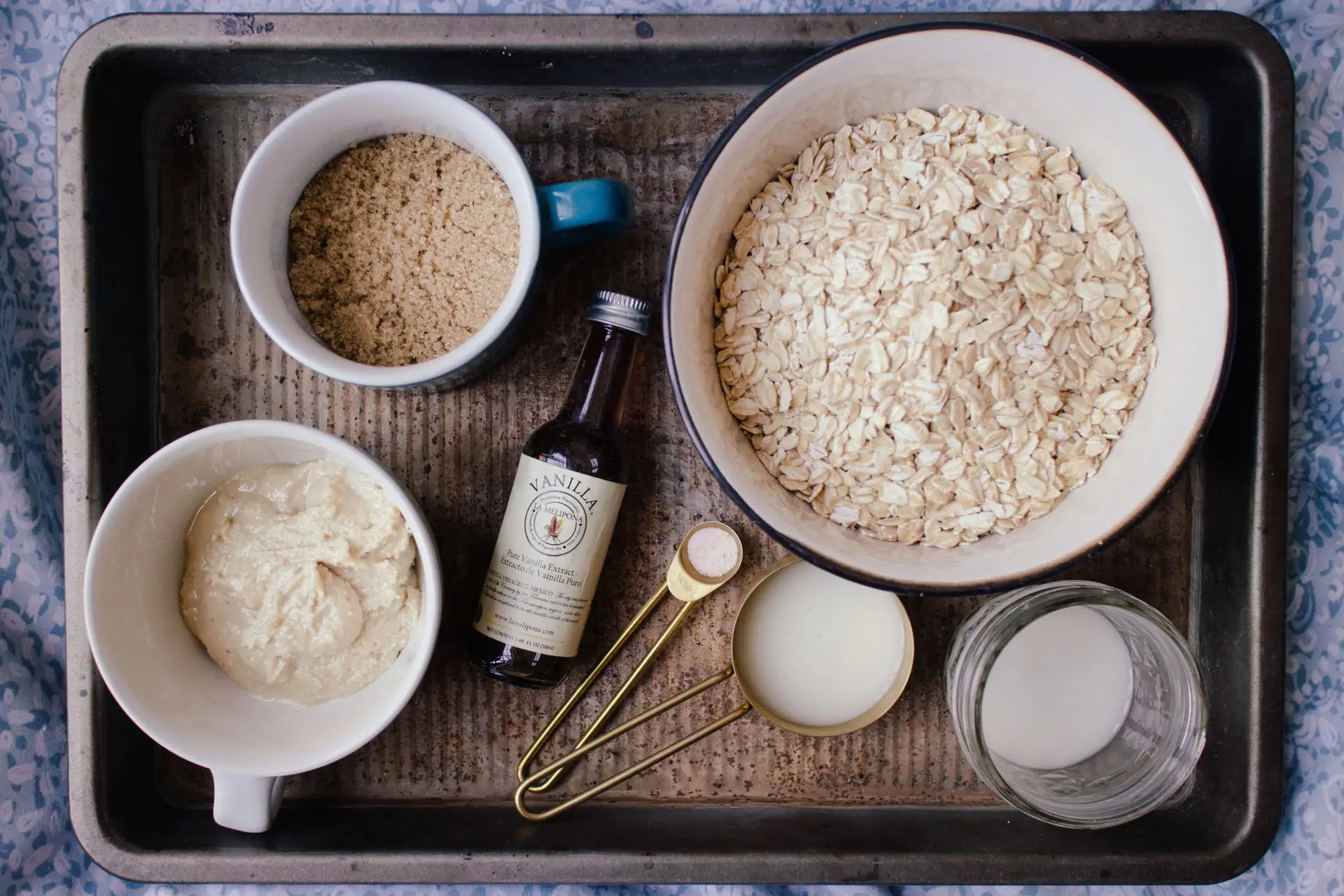
Soluble fiber dissolves in water. Some forms create a thick, viscous gel—think of the texture oats develop as they absorb water.
That gel-forming property matters for cholesterol control. Fibers such as beta-glucan in oats and barley can help reduce bile-acid reabsorption.
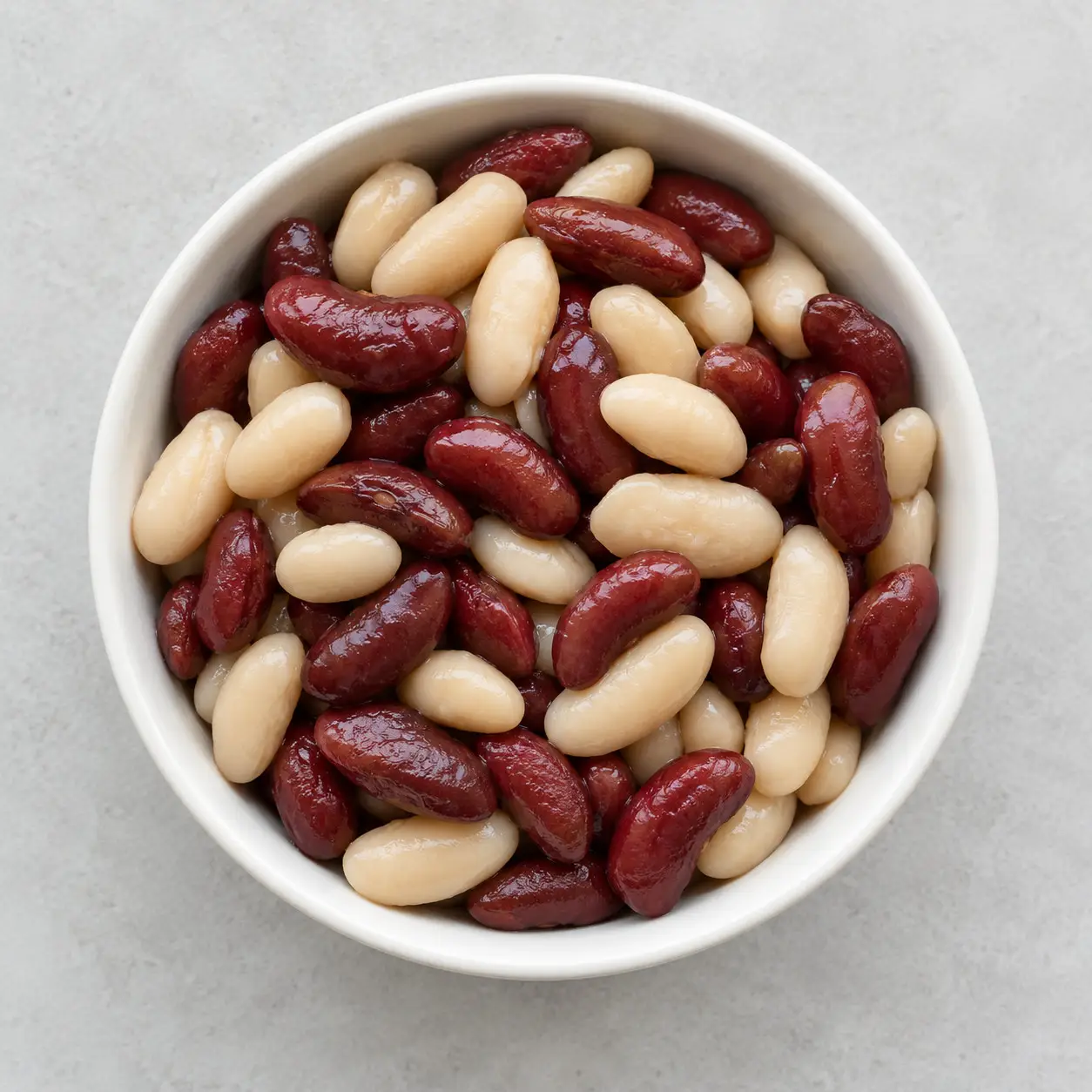
Foods supplying soluble fiber include:
Not every soluble fiber forms the same kind of gel or has the same cholesterol-lowering effect. The type of fiber matters, as well as the amount.
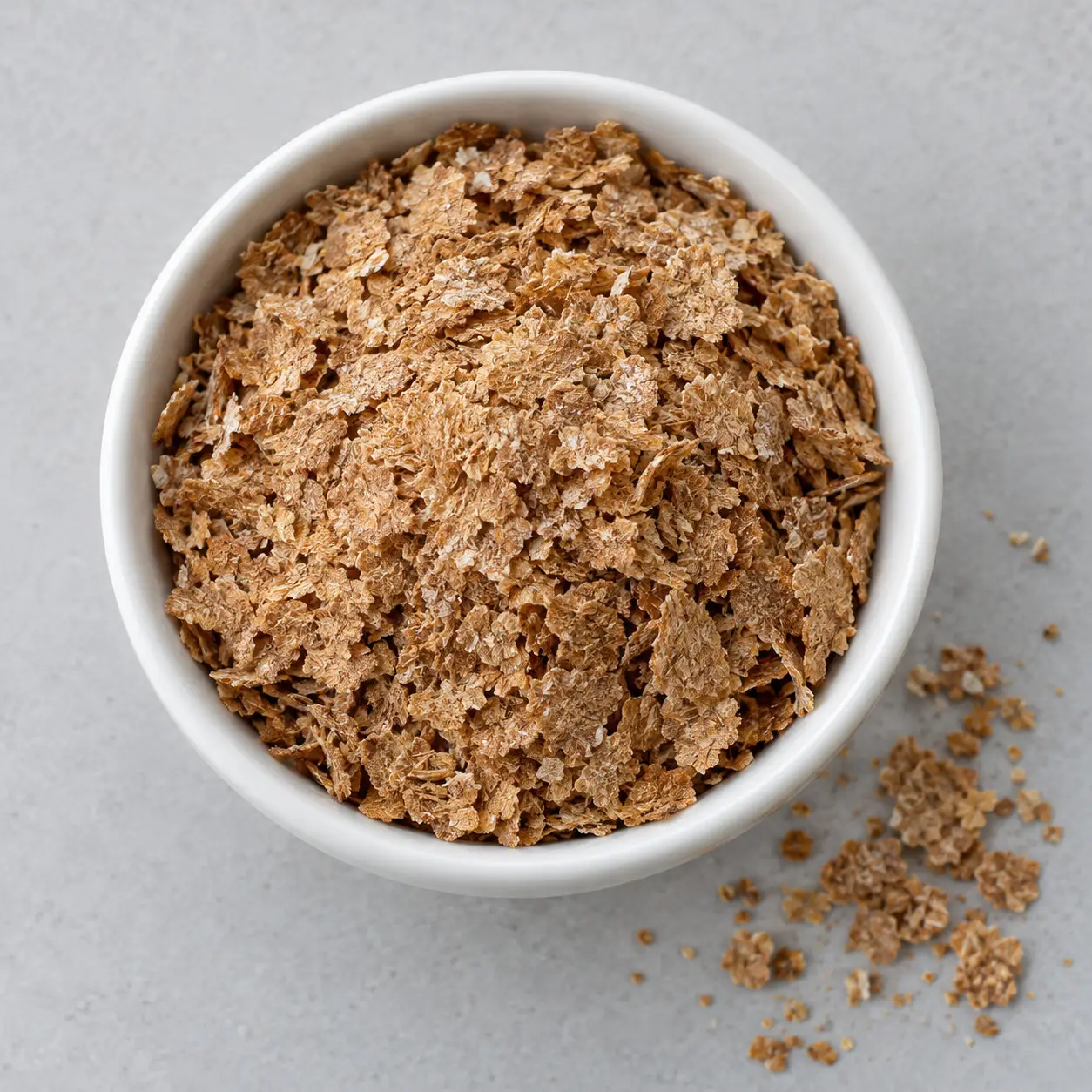
Insoluble fiber does not dissolve in water. It contributes structure and bulk as it moves through the digestive tract, helping support stool formation and bowel regularity.
Useful sources include:
Most plant foods contain a mixture of fiber types. Beans, for example, contribute both soluble and insoluble fiber. These categories describe the fibers within foods; they do not divide foods into two exclusive groups.[2]
Soluble and insoluble fiber have complementary roles. Certain soluble fibers help reduce bile-acid recycling; insoluble fiber contributes bulk and helps keep intestinal contents moving. Together, they support different parts of a well-functioning digestive system.
The point is not to choose one and neglect the other. It is to eat a variety of foods that supplies both.
In her groundbreaking book, The Instinct Diet, iDiet creator Dr. Susan B. Roberts explains why different fiber sources belong in an eating plan designed for fullness and weight control. She describes the gel-forming properties of soluble fiber and the bulk supplied by insoluble fiber, then explains that the iDiet menus include both.
That combination remains central to the program. Oats, fruits, berries, vegetables, and legumes contribute soluble fiber, while bran-rich foods and other whole grains add insoluble fiber.
For someone working on weight and cholesterol, this variety serves a practical purpose: it provides cholesterol-supporting foods within meals designed to be satisfying.
Oatmeal deserves its reputation as a useful food for cholesterol management.
Oats contain beta-glucan, a gel-forming soluble fiber. The FDA permits qualifying foods to carry a health claim connecting soluble fiber from specified sources with a reduced risk of coronary heart disease, as part of a diet low in saturated fat and cholesterol.
For oats and barley, that claim is based on a daily intake of at least 3 grams of beta-glucan soluble fiber. That means 3 grams of the particular fiber—not 3 grams of oats, and not simply 3 grams of total fiber from any source.[3]
A bowl of oatmeal can be a good start. But not if it’s from a processed pouch also full of sugar. And breakfast is only one part of your eating pattern.
Lunch can include beans. Dinner can include vegetables and barley. Whole fruit can supply additional fiber. Bran-rich foods can contribute bulk and variety elsewhere in the day.
iDiet’s advantage is the structure of a whole eating plan: it helps turn useful individual foods into a repeatable way of eating.
Fiber is valuable, but the rest of the plate still matters.
For example, the National Heart, Lung, and Blood Institute’s Therapeutic Lifestyle Changes program combines increased soluble fiber with reduced saturated fat, weight management, and physical activity.[4]
In everyday meals, that can mean replacing some butter, fatty meat, and other saturated-fat-rich foods with choices such as olive oil, fish, beans, or tofu. Portions still matter for weight loss, including portions of nutritious foods.
Adding fiber does not erase the effects of everything else you eat.
This is where a planned approach helps. iDiet brings fiber together with protein, lower-calorie food volume, and overall calorie control. Its emphasis on satisfying meals addresses a problem familiar to many dieters: an eating plan can look excellent on paper and still be difficult to follow when you are hungry.
At iDiet, we routinely hear from members who return from doctor visits reporting substantial improvements in their LDL cholesterol. (Members also report lower A1c levels, a measure of average blood glucose over roughly three months.)
Those are member-reported experiences, rather than results from a controlled study measuring iDiet’s effect on these markers. Weight changes, food choices, physical activity, and medications can all contribute, and individual results vary.
Still, these reports reflect something many members value: progress can show up in their health conversations as well as on the scale.
Your own follow-up bloodwork is the way to see how your numbers respond. Review the results with your clinician, particularly if you take cholesterol- or glucose-lowering medication.
Beans and split peas are useful ingredients for building satisfying, fiber-rich meals. Soup makes them easy to include in a familiar lunch or dinner.
Two free iDiet recipes to try:
You can also add beans to salads, include vegetables with meals, rotate oats and barley into your grain choices, and choose whole fruit more often.
If you currently eat little fiber, increase it gradually and drink adequate fluids. A sudden increase can cause gas or bloating; giving your digestive system time to adjust can make the change more comfortable.[2]
Yes. An eating pattern can combine appropriate calorie intake with fiber-rich foods and less saturated fat. For weight loss, it also needs to be satisfying enough to follow consistently. iDiet organizes meals around fiber, protein, food volume, and planned portions.
Certain gel-forming soluble fibers, including beta-glucan from oats and barley, have a direct LDL-lowering role. Insoluble fiber supports bulk and bowel regularity. A varied eating pattern supplies both, allowing their different benefits to complement each other.
Oatmeal can contribute to lowering cholesterol levels, but the amount of beta-glucan and other soluble fibers in the rest of your diet matter. One serving does not necessarily supply the daily amount associated with the FDA-authorized health claim. Include other fiber-rich foods and pay attention to saturated fat throughout the day.
No. The cholesterol-lowering effects of certain soluble fibers do not depend entirely on weight loss. Research has found additional cholesterol reductions from soluble-fiber-rich foods even within diets already low in saturated fat and cholesterol.[1]
Sometimes lifestyle changes alter a person’s treatment needs, but that decision depends on cholesterol levels, genetics, cardiovascular history, and overall risk. A high-fiber eating plan can complement medication. Monitor your cholesterol levels as you make dietary and lifestyle changes, and do not stop or change a prescription without discussing it with your clinician.
Knowing that oats or beans can help is useful. Knowing how to build satisfying meals around fiber-rich foods makes that knowledge easier to act on.
iDiet puts a variety of fiber sources into a structured approach to weight management, so you have practical guidance about what to eat and how to make it satisfying.
Explore iDiet to learn how the program can help you build an eating routine you can keep using.
Curious to learn more? See our programs here. More about OnDemand. Read Results and Testimonials. More about the science here.